

Rotary vs Flatbed Die Cutting: Which Fits Your Run
5 min read
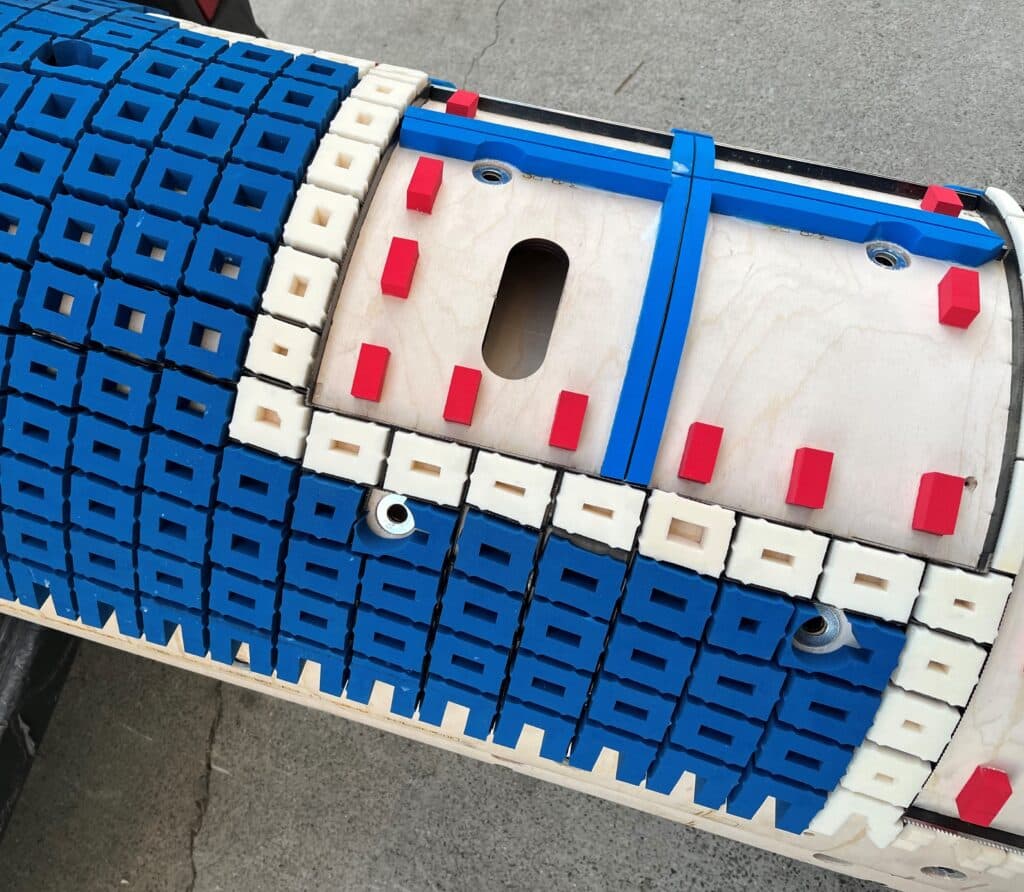
Rotary die cutting is faster and suits long runs of simpler blanks on a web or corrugated line. Flatbed is slower per sheet but holds tighter tolerance and handles intricate detail, heavy board, and short runs better. Run length and detail decide it, not preference.
What rotary is good at
A rotary die cuts against a cylinder while the web moves, so there is no stop and start. That is where the speed comes from, and on a long run of a stable blank it is hard to beat.
It suits simpler outlines, consistent substrate, and volume that justifies the tooling. Solid rotary dies hold up over very long runs; flexible dies cost less up front and suit shorter cycles or frequent changes.
What flatbed is good at
A flatbed press brings the whole die down at once. That makes registration easier to hold, which matters when the blank has tight windows, fine detail, or creasing that has to land exactly.
It also handles heavier and more rigid board, and it is the sensible choice for short runs and prototypes where rotary tooling would never pay for itself.
The honest comparison
Neither is better. They answer different questions, and most converters running both know exactly which job goes where.
- Long run, simple blank, web or corrugated line: rotary.
- Tight tolerance, fine detail, heavy board: flatbed.
- Prototype or short run: flatbed, almost always.
- Frequent design changes: flexible rotary or flatbed, not solid rotary.
Common questions
- Is rotary die cutting more accurate than flatbed?
No. Flatbed generally holds tighter tolerance because the whole die contacts at once, which makes registration easier to control. Rotary trades some of that precision for speed.
- When is rotary tooling worth the extra cost?
When run length justifies it. Rotary tooling costs more up front and pays back over volume, so it suits long, repeatable production rather than short runs or jobs that change often.
- What is the difference between solid and flexible rotary dies?
Solid rotary dies are machined from a single cylinder and last through very long runs. Flexible dies are thinner sheets mounted to a magnetic cylinder, cost less, and suit shorter cycles or designs that change.
Keep reading
Specification
How to Specify a Steel Rule Die
The five things a die maker needs from you to quote and cut a steel rule die: substrate, press, rule height, run length, and the existing tool.
6 min read
Process
Thermoform Trim Tooling Explained
Trim-in-place tooling cuts formed parts out of the web after forming. What it is, where it is used, and what a trim tool needs to hold.
4 min read