

How to Specify a Steel Rule Die
6 min read
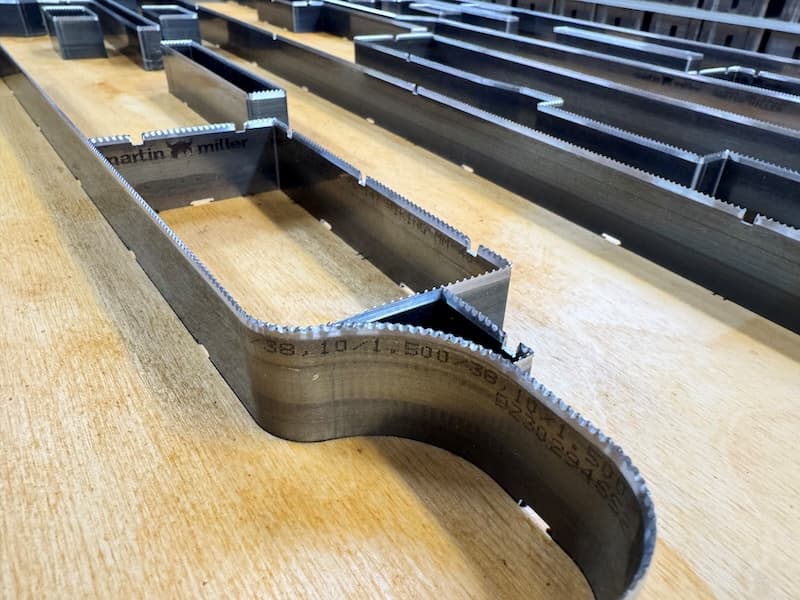
To specify a steel rule die you need five things: the substrate and its caliper, the press it runs on, the rule height and bevel, the expected run length, and a drawing or sample. Give a die maker those and you get a firm quote and a firm date. Leave any of them out and you get an estimate that moves.
Start with the substrate, not the shape
The shape of the blank is the part most people lead with, and it is the part that matters least at quoting time. What the die maker needs first is what you are cutting: board grade, caliper, flute if it is corrugated, and whether it is coated.
Substrate sets rule height. Cutting 32 ECT B-flute is a different tool from cutting 18pt folding carton, even when the blank outline is identical. It also sets the bevel: a softer board wants a broader bevel to stop the rule crushing the edge, while a dense coated stock wants a narrower one for a clean cut.
Name the press
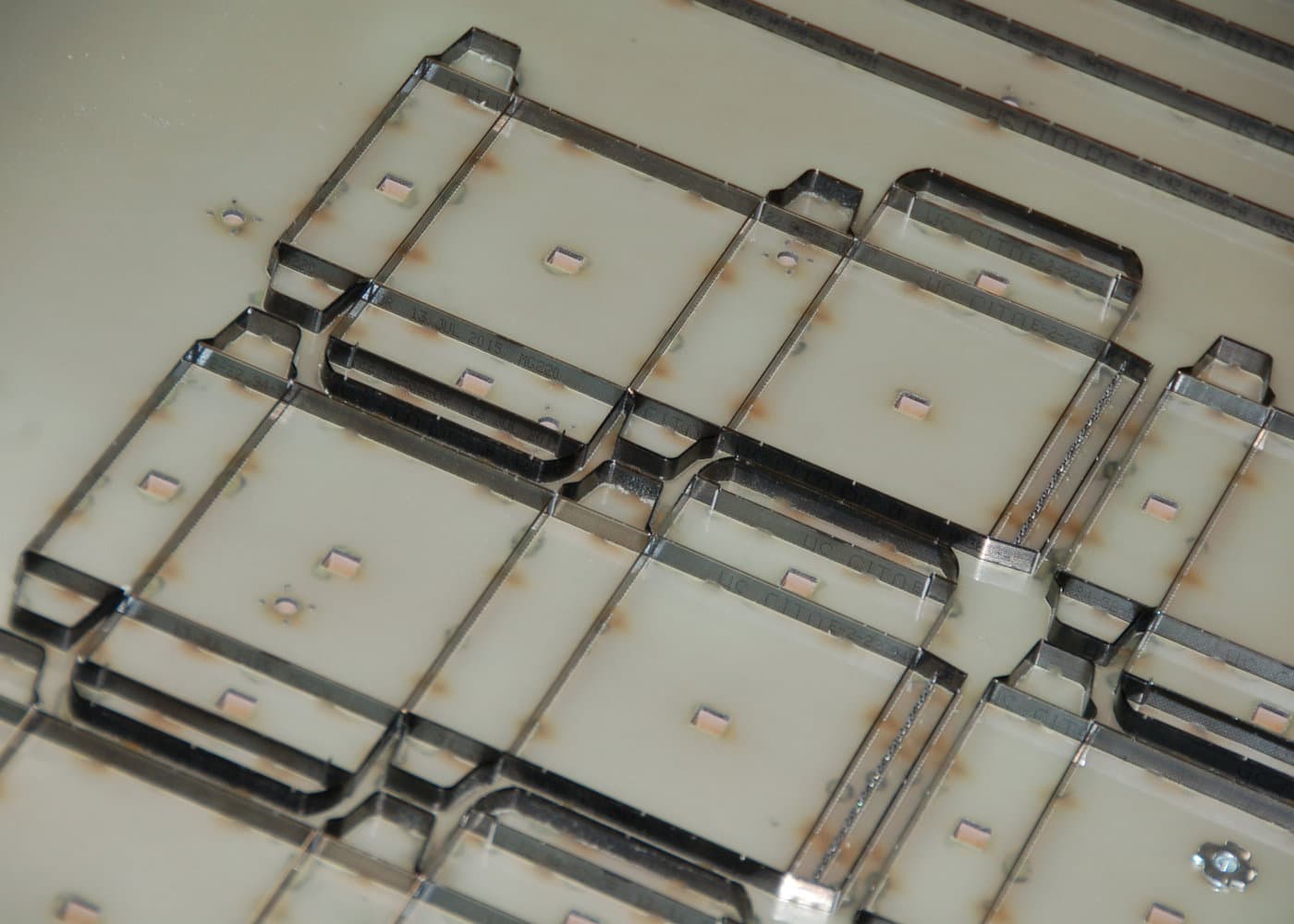
The press decides the die board size, the chase or bolt pattern, the gripper margin, and how much stripping the tool has to do for itself. A die built for one platen does not drop into another without work.
Give the make and model. If you run more than one press and want the tool to move between them, say so at quoting time rather than after the die is cut. Building for interchangeability is a design decision, not an adjustment.
Be honest about run length
Run length is what justifies the specification. A tool that will cut forty thousand blanks once does not need the same rule as a tool that runs every month for three years.
Under-specifying to save on the quote is the most common false economy in die buying. The tool comes in cheaper, then dulls early, and the cost lands in press downtime and scrap where it is harder to see.
- Short run or prototype: standard rule, standard board.
- Repeat production: hardened rule, and counters worth matching.
- High volume or abrasive stock: hardened rule, reinforced board, planned re-rule.
Send the sample, not just the file
A drawing tells the die maker what the blank should be. A sample carton tells them what it currently is. When those two disagree, and on an older job they often do, the sample is the one that matches what your press and your customer have accepted.
If you are replacing a worn die, send the die itself where you can. Duplicating and improving on tooling already in production is routine, and it removes the guesswork about what was changed on the floor over the years.
Common questions
- What information does a die maker need to quote a steel rule die?
Substrate and caliper, the press make and model, rule height and bevel if you have a preference, expected run length, and a drawing or sample of the blank. Those five give a firm quote and a firm date.
- How do I choose rule height for a steel rule die?
Rule height follows the substrate caliper and the press setup rather than the blank shape. Tell the die maker what you are cutting and on what, and the rule height is specified for you.
- Can a die maker copy an existing die?
Yes. Send the existing die, its drawing, or a sample carton. Duplicating tooling already in production is routine work, and starting from the physical tool captures changes made on the floor that never reached the drawing.
Keep reading

Maintenance
Why Cutting Dies Fail Early
Dies rarely fail because the steel was bad. They fail from rubber, nicking, makeready, and storage. Here is what actually shortens tool life.
5 min read
Process
Rotary vs Flatbed Die Cutting: Which Fits Your Run
Rotary cuts faster and flatbed cuts more precisely. The choice comes down to run length, substrate, and how much detail the blank carries.
5 min read