

Moving Tooling to a New Supplier Without Losing a Week
5 min read
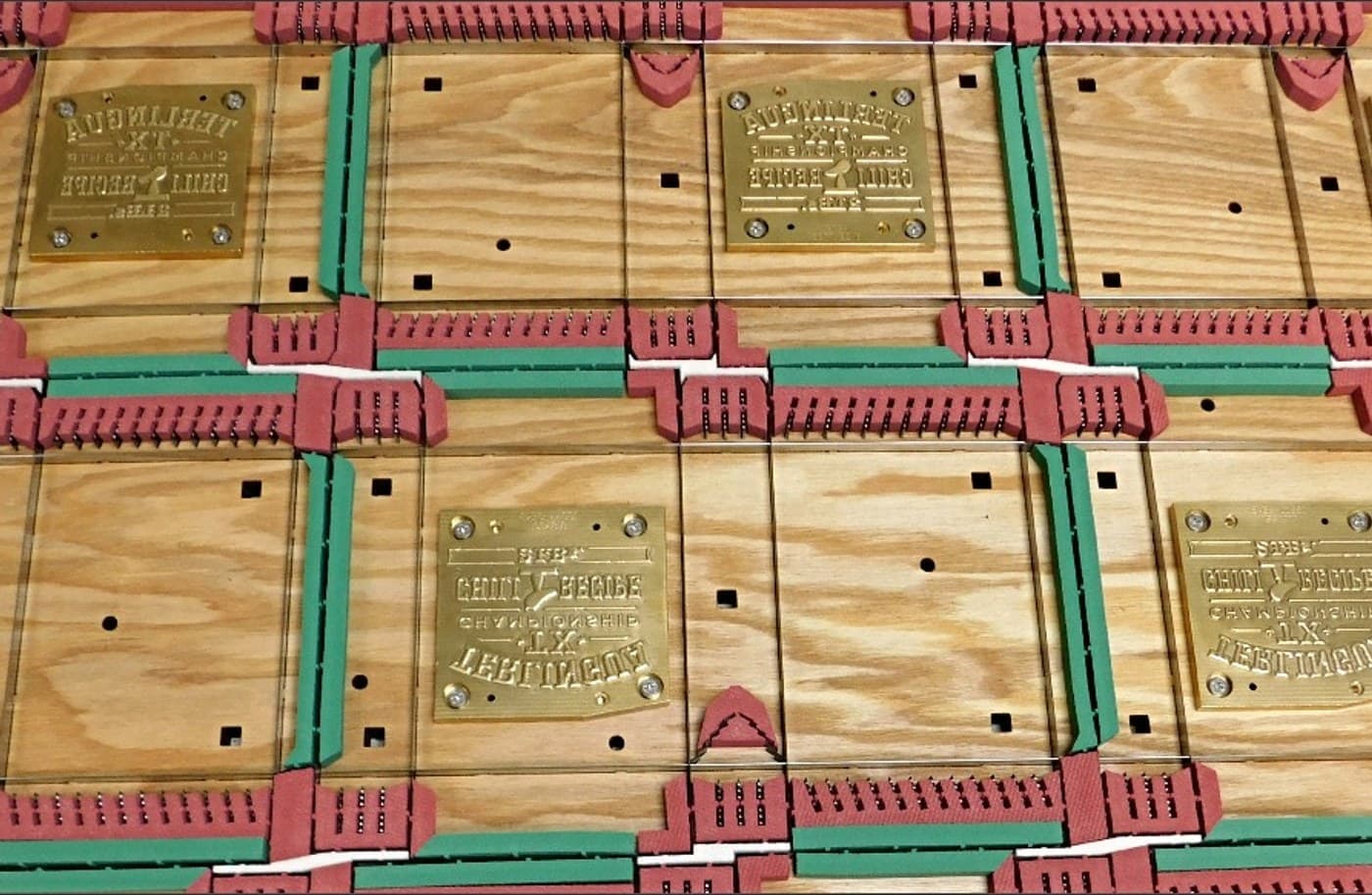
Changing die supplier is mostly a data problem. Send the physical tools rather than the drawings where you can, move the highest volume jobs first, and run one tool through before committing the rest. Most lost weeks come from assuming the drawing on file matches the tool on the rack.
The drawing is not the tool
Tools get adjusted on the floor. Nicking gets changed, rubber gets swapped, a crease gets moved half a millimetre to stop a crack. Those changes rarely make it back to the file.
So when a new supplier builds from the drawing, they build what the job was supposed to be rather than what it became. Send the physical tool where you can, or at minimum a current sample.
Move one job first
Transferring a whole tooling library at once means proving every tool at once, which is the scenario where a transfer turns into a lost week.
Pick one job, ideally a high volume one you know well. Run it. Fix what needs fixing. Then move the rest with the lessons already applied.
Send the whole setup, not just the die
A die is one part of a working setup. The counter, the rubber specification, the makeready notes, and the press it runs on are the rest of it.
A new supplier given only the die will reproduce the die. A new supplier given the setup can reproduce the result, which is what you actually buy.
- The existing die, or a current sample blank.
- Counter type and condition.
- Rubber durometer and layout if you have it.
- Press make and model.
- Any standing makeready notes from the floor.
Do not scrap the old tools yet
Keep the outgoing tools until the replacements have run clean in production. It costs a little rack space and removes the only genuinely bad outcome, which is having neither tool when a job is due.
Common questions
- What should I send when changing die suppliers?
Send the physical tools where possible, plus counter type, rubber specification, press make and model, and any makeready notes. The tool on the rack reflects floor changes that the drawing on file usually does not.
- How long does it take to transfer tooling to a new die supplier?
It depends on how many tools move and how complete the information is. Moving one job first and proving it before transferring the rest is the most reliable way to avoid proving everything at once.
- Should I keep my old dies after switching suppliers?
Yes, until the replacements have run clean in production. Rack space is cheap compared with having no working tool when a job is due.
Keep reading
Planning
What Actually Drives Die Making Lead Times
Lead time is set by rule work, tooling complexity, and queue, not by a fixed turnaround. Here is what moves the date, and what you control.
5 min read
Specification
How to Specify a Steel Rule Die
The five things a die maker needs from you to quote and cut a steel rule die: substrate, press, rule height, run length, and the existing tool.
6 min read