

What Actually Drives Die Making Lead Times
5 min read
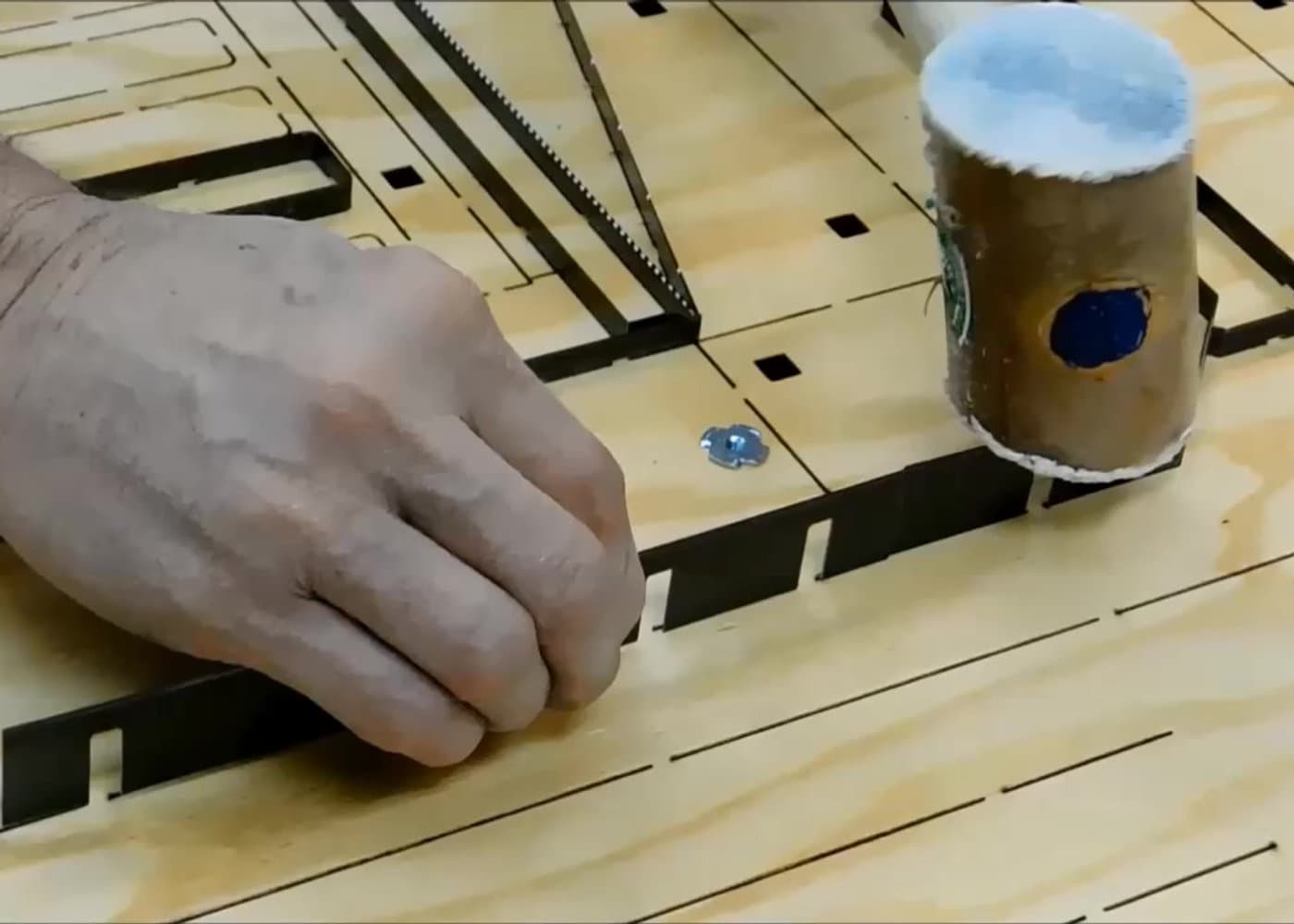
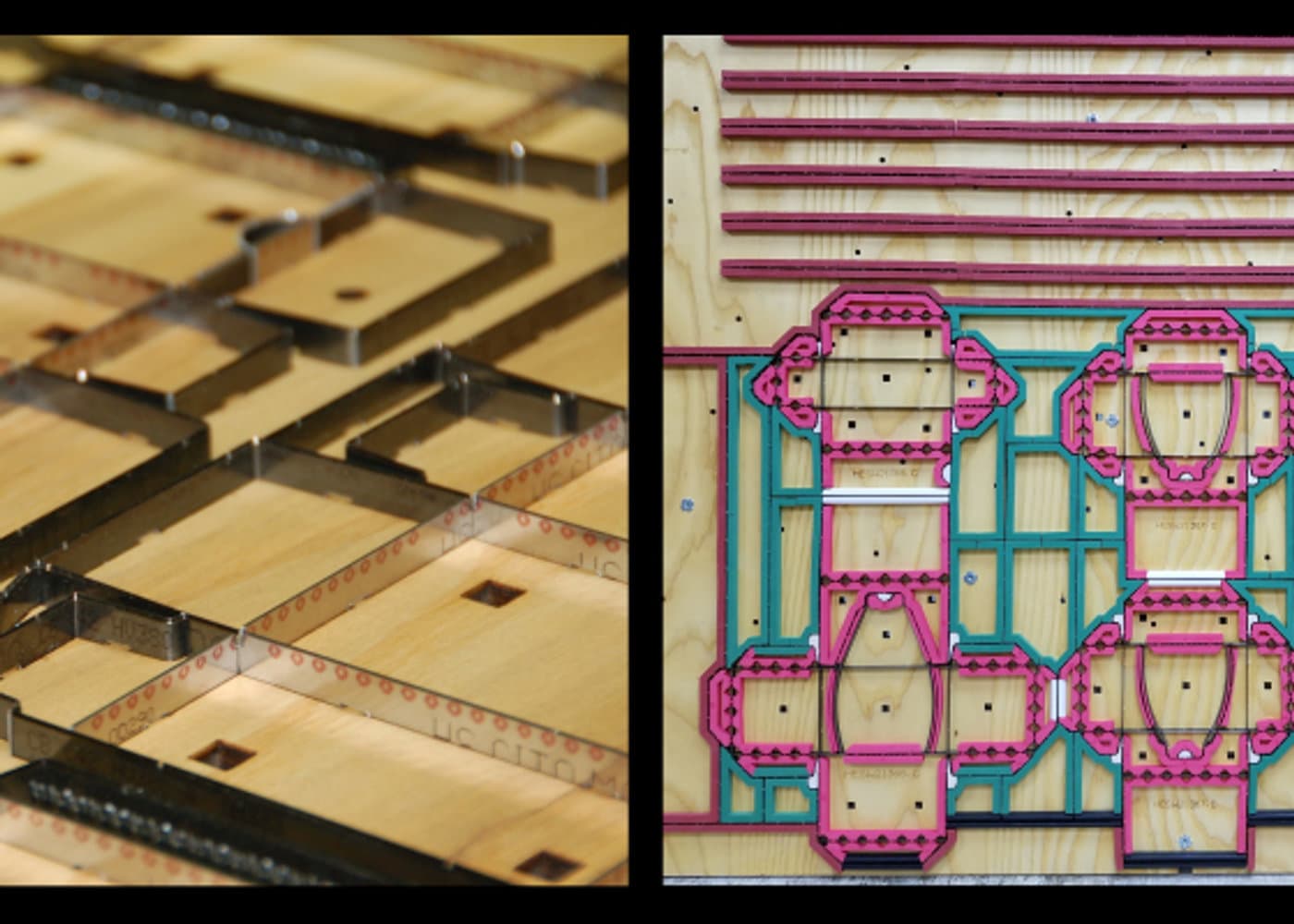
Die lead times are driven by how much rule work the tool needs, how complex the layout is, whether counters and rubber are included, and the queue in the shop cutting it. The two things a customer controls most are how complete the specification is and how early the job is flagged.
Cutting the board is the fast part
A laser cuts the board and the rule slots in one pass, and it is quick. What takes the time is the rule: bending it, notching it, bridging it, and setting it into the board by hand.
That is why a blank with a lot of small detail takes longer than a larger, simpler one. The board area is not the driver; the metres of rule and the number of bends are.
Incomplete specifications cost days
Every unanswered question is a round trip. The quote goes out with an assumption, the assumption turns out to be wrong, and the job re-enters the queue with the clock reset.
The single most effective thing a buyer can do to shorten a lead time is to send a complete specification the first time.
- Substrate and caliper.
- Press make and model.
- Run length.
- Whether counters, rubber, or stripping are included.
- A drawing, a sample, or the existing die.
Ask what is in the number
A quoted lead time may cover the die alone. If you also need counters cut, rubber fitted, and a proof run, those are real work with real hours attached.
Ask what the date includes. A tool that arrives without its counter is not a tool that can run.
Common questions
- How long does it take to make a steel rule die?
It depends on how much rule work the tool needs and what else is included, not on a fixed turnaround. Send the substrate, press, run length, and a drawing or sample, and a die maker can confirm a real date before you commit.
- Can die making lead times be shortened?
Yes, most reliably by sending a complete specification the first time and flagging the job early. Incomplete information causes re-quotes that cost more days than any production step.
- Does a rush order affect die quality?
It should not. Expediting moves a job up the queue; it does not change how the tool is built. What does affect quality is specifying in a hurry, which is why the specification matters more than the schedule.
Keep reading
Specification
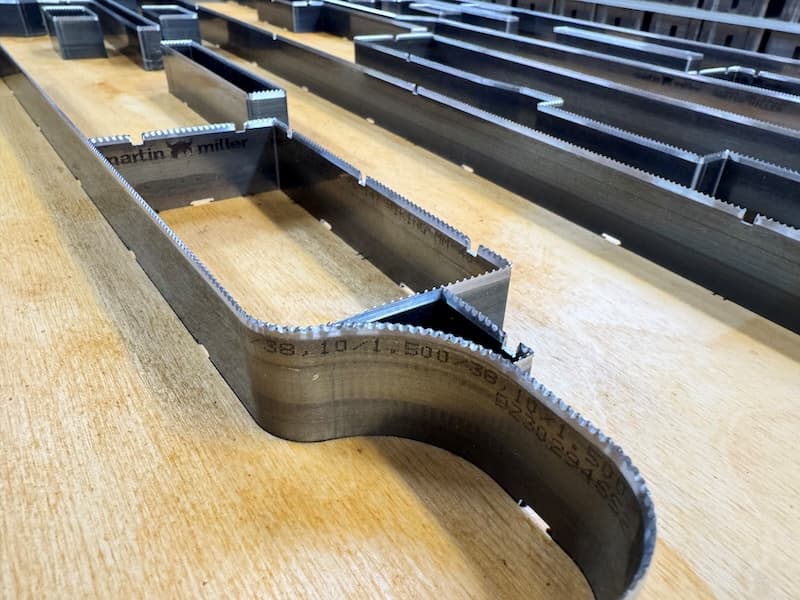
How to Specify a Steel Rule Die
The five things a die maker needs from you to quote and cut a steel rule die: substrate, press, rule height, run length, and the existing tool.
6 min read
Planning
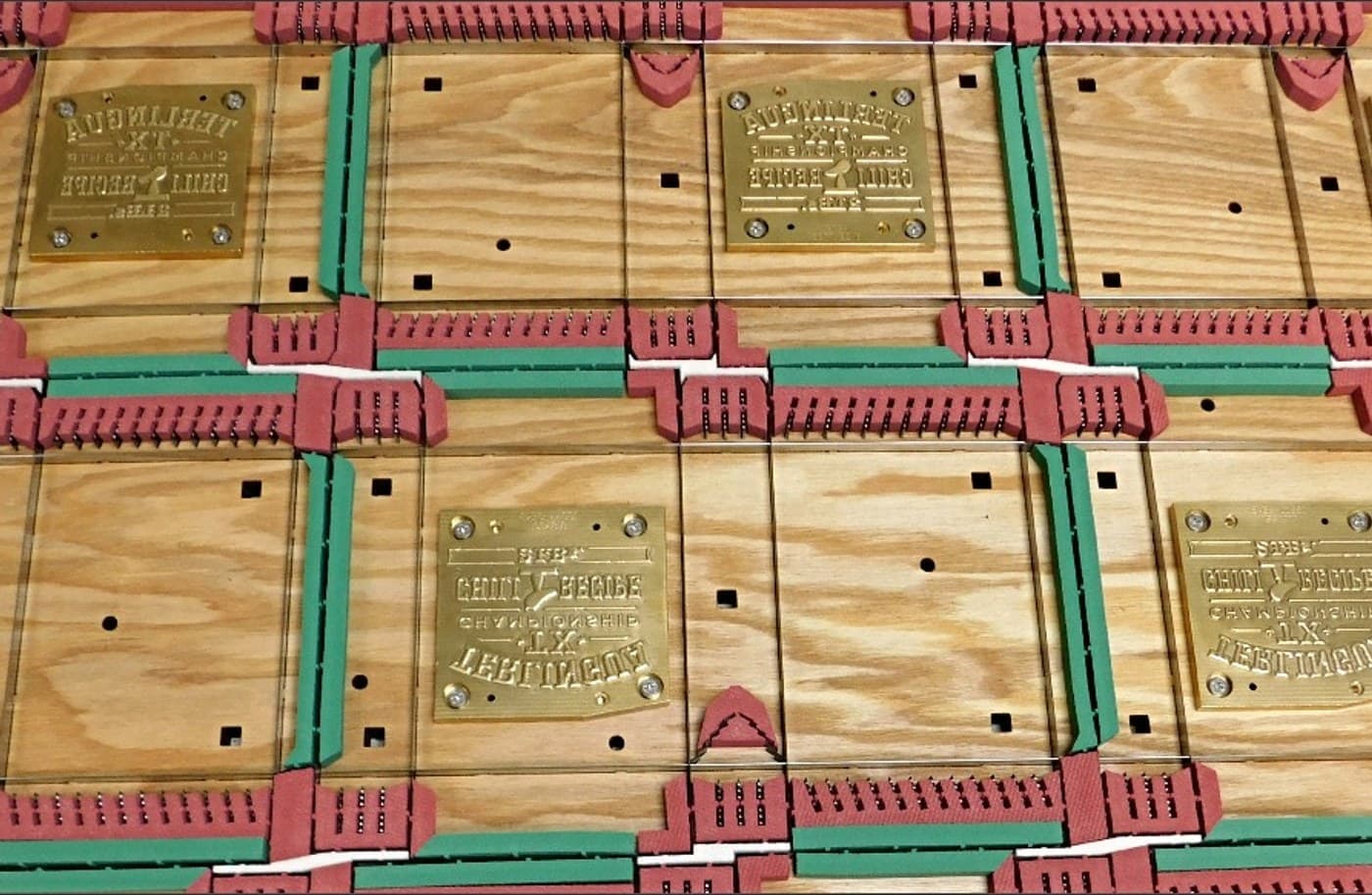
Moving Tooling to a New Supplier Without Losing a Week
Switching die suppliers goes wrong in predictable ways. What to send, what to check, and how to avoid re-proving every tool at once.
5 min read