

What a Steel Counter Actually Does
4 min read
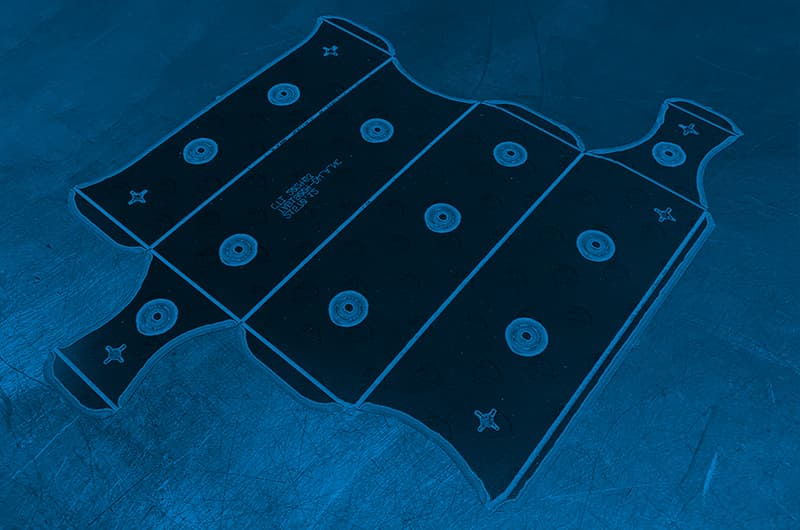
A counter is the matched female surface the creasing rule presses into. It controls where the board folds and how cleanly. It is not makeready packing, it wears independently of the die, and a worn counter is one of the most common causes of cracking that gets blamed on the board.
The crease is made by two surfaces, not one
The creasing rule pushes the board down; the counter channel decides where the board is allowed to go. Get the channel width wrong and the crease is either too shallow to fold reliably or so deep that the fibres break.
Because the fold is made by the pair, changing one without the other rarely works. A new die on an old counter can crease worse than the tool it replaced.
Why cracking gets misdiagnosed
When cartons crack along the fold, the first suspect is usually the board: grain direction, moisture, a bad batch. Sometimes that is right. Often the counter has worn, the channel has widened or flattened, and the crease is no longer being formed, only flattened.
If the cracking started gradually rather than with a new pallet of stock, look at the counter before you look at the supplier.
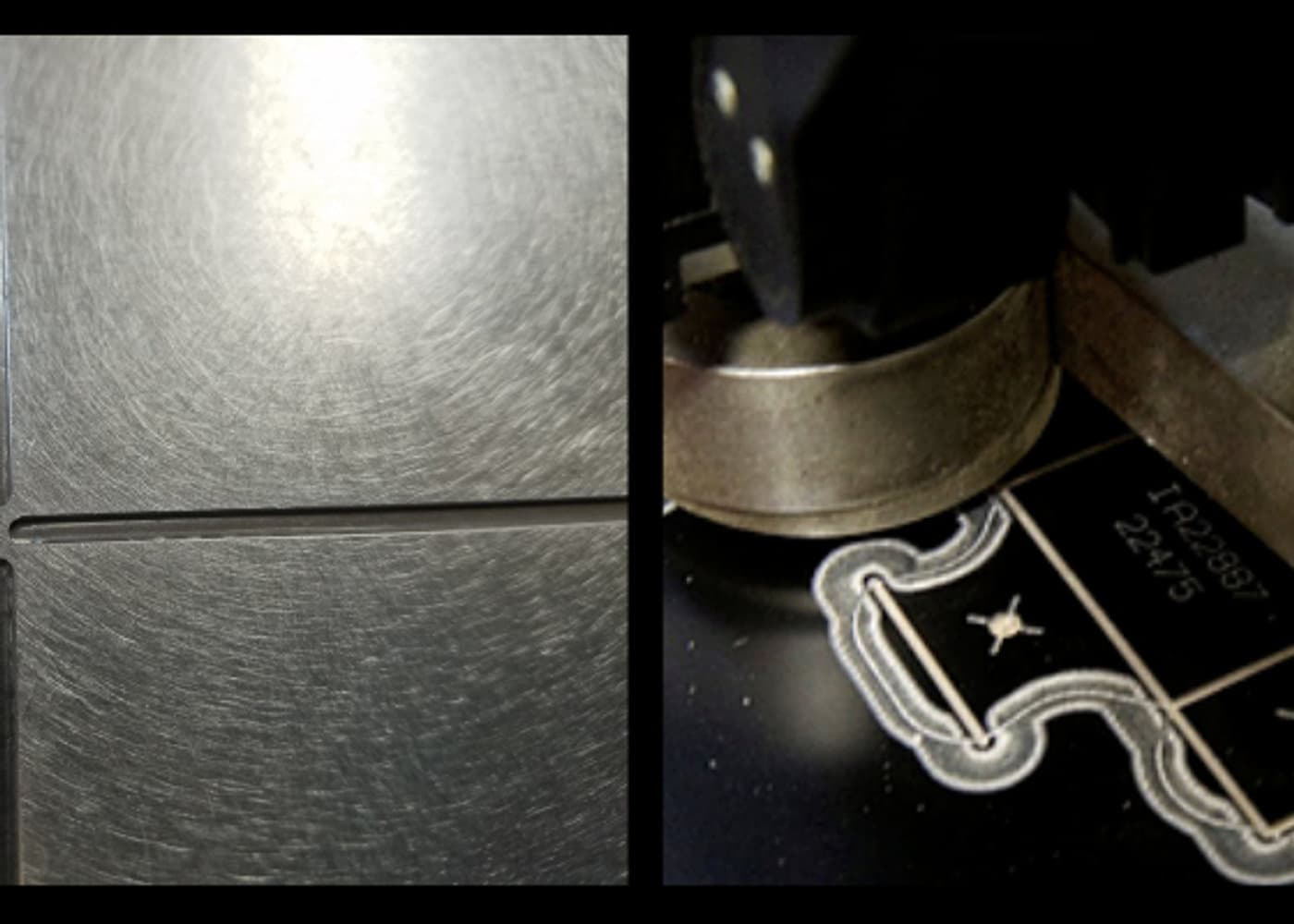
Fibre, phenolic, and steel
Fibre counters are cheap and fine for short work. Phenolic holds up longer. Steel counters hold their profile through the highest volumes and are worth it where downtime costs more than tooling.
The right answer is the one that matches your run length, which is the same logic that drives rule selection on the die itself.
Common questions
- What is a counter in die cutting?
A counter is the matched female surface fitted to the press platen that the creasing rule presses the board into. It controls where and how cleanly the board folds.
- How often should counters be replaced?
Counters wear on their own schedule, separate from the die. Replace them when creases start going shallow or cartons begin cracking gradually rather than suddenly, which usually points to a worn channel.
- Why are my cartons cracking at the fold?
Check the counter before the board. A worn or wrongly sized counter channel flattens the crease instead of forming it, which breaks fibres. Gradual onset points to counter wear; sudden onset with a new pallet points to stock.
Keep reading
Maintenance
Why Cutting Dies Fail Early
Dies rarely fail because the steel was bad. They fail from rubber, nicking, makeready, and storage. Here is what actually shortens tool life.
5 min read
Specification
How to Specify a Steel Rule Die
The five things a die maker needs from you to quote and cut a steel rule die: substrate, press, rule height, run length, and the existing tool.
6 min read